





Types of building
The word ‘building’ is commonly considered to refer to an enclosed structure within which people can perform activities. See our introductory article: Building.

|

|

|

|

|

|
There are many ways of classifying types of building, including:
- Construction type.
- Cost.
- Use.
- Size.
- Style.
- Period.
- Design (form, structure, etc).
- Performance (energy consumption, accessibility, etc).
- Nature of occupancy/ownership.
This article presents a list of common types of building alphabetically with links to articles providing further information. To add to the list, click ‘Edit this article’ above.
- A frame house.
- Abbey.
- Accessory structure.
- Air-supported structure.
- Affordable housing.
- Airport.
- Apartment.
- Assembly and recreation building.
- Assembly building.
- Bandstand.
- Bank.
- Barn.
- Bungalow.
- Bus shelter.
- Bus station.
- Cafe.
- Canteen.
- Casino.
- Castle.
- Cathedral.
- Cave.
- Chapel.
- Church.
- Cinema.
- Cluster accommodation.
- Commercial building.
- Commonhold.
- Complex buildings.
- Condominium.
- Conservatory.
- Cottage.
- Convenience store.
- Council housing.
- Covered area.
- Custom build home.
- Data centre.
- Department store.
- Detached.
- Double fronted building.
- Duplex.
- Dwelling.
- Earth building (see also Earthen construction).
- Entertainment building.
- Extension.
- Fabric structure.
- Factory.
- Farm buildings.
- Ferry terminal.
- Fire engineered buildings.
- Fire station.
- Flat.
- Freehold.
- Gallery.
- Garage.
- Geodesic dome.
- Greenhouse.
- Groundscraper.
- High-rise building.
- Hospital.
- Hostel.
- Hotel.
- Household.
- Houses in multiple occupation.
- Housing association.
- Hut.
- Industrial building.
- Inflatable building.
- Institution.
- Intermediate housing.
- Kiosk
- Kit house.
- Large format retail premises.
- Lean to.
- Leasehold.
- Leisure centre.
- Library.
- Lighthouse.
- Live/work unit.
- Low-rise.
- Mall.
- Manse.
- Maisonette.
- Meanwhile use.
- Medium-rise.
- Megastructure.
- Megatall.
- Minor development.
- Mixed use development.
- Modern building.
- Modular building.
- Mosque.
- Multi-storey building.
- Museum.
- Non-residential institution.
- Office.
- Outbuilding.
- Pavilion
- Penthouse.
- Permanent building.
- Petrol station.
- Police station.
- Portable building.
- Portaloo.
- Portakabin®.
- Post office.
- Power station.
- Pub.
- Pumping station.
- Prefab bungalow.
- Public building.
- Railway station.
- Refinery.
- Residential building.
- Residential institution.
- Retail building.
- Retail warehousing.
- School.
- Secure residential institution.
- Self build home.
- Semi-detached / Semi.
- Shack.
- Shed.
- Shelter.
- Sheltered housing.
- Shop.
- Shopping centre.
- Single-storey building.
- Simple premises.
- Skyscraper.
- Smoking shelters.
- Social housing.
- Specialist accommodation for older people.
- Specialist premises.
- Speculative development.
- Stable
- Stadium.
- Stand-alone building.
- Star building.
- Stately home.
- Storage building.
- Student accommodation.
- Sui generis.
- Supermarket.
- Super-slender.
- Supertall.
- Supported housing.
- Surgery.
- Swimming pool.
- Synagogue
- Telephone Box
- Temporary building.
- Temporary demountable structure.
- Terminal / terminus.
- Terraced house.
- Theatre.
- Toilet.
- Tower.
- Town hall.
- Traditional building.
- Train station.
- Twisting building.
- Venue.
- Visitor Centre
- Warehouse.
- Windmill.
- Workplace.
- Yurt
- Zero carbon building.
- Ziggurat.
See also: Architectural styles and Use class.
[edit] Related articles on Designing Buildings
Featured articles
Check out some of the best features and news from Designing Buildings as well as key stories from around the web.
Building Safety Newsletter from MHCLG.
An extraordinary record of steel engineering worldwide.
Households living near new pylons to save on bills.

ECA warns growth must not outpace grid capacity or skills.
The role of the client and decision making

CIOB response to built environment professions call for evidence.
Construction's sustainability reporting revolution
Tracking upfront embodied carbon with digital tools.
ECA welcomes procurement reforms
Public spending must back British jobs and skills.
Campaigning for Edinburgh: the Cockburn Association 1875-2049
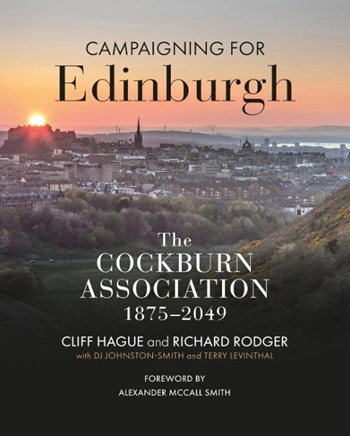
The role of the civic voice in protecting character. Book review.
CIOB photography competition is open for entries.
ECA Edmundson apprentice of the year award
Finalists announced.
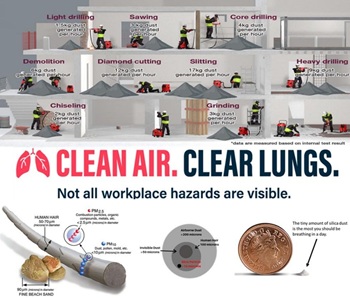
Major new study exposes serious knowledge gaps.
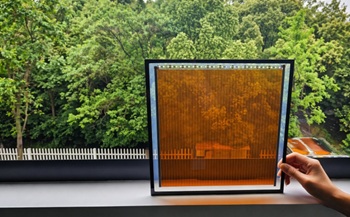
Generating energy from internal light as well as sunshine.
Comments
[edit] To make a comment about this article, or to suggest changes, click 'Add a comment' above. Separate your comments from any existing comments by inserting a horizontal line.